Agile Development: A Flexible Approach to Innovation
Agile Development Methodology is a dynamic and iterative approach to project management, particularly in software development. It emphasizes flexibility, collaboration, and continuous improvement, making it an ideal framework for creative and fast-paced environments.
Understanding Agile Development
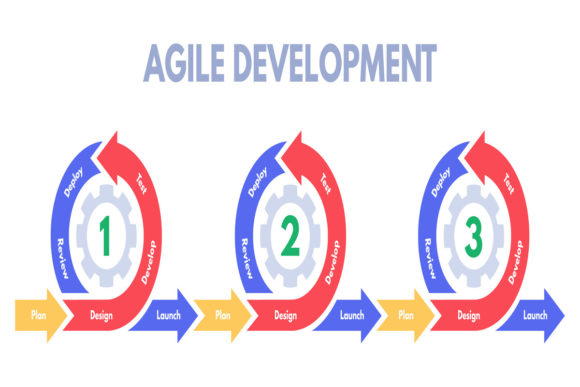
At its core, Agile is about adapting to change and delivering value quickly. Unlike traditional waterfall methods, which follow a linear and sequential process, Agile breaks projects into smaller, manageable chunks called sprints. Each sprint typically lasts 2-4 weeks and ends with a review and planning session for the next phase.
The Benefits of Agile
- Flexibility: Agile allows teams to pivot and adjust as needed, responding to feedback and changing requirements.
- Collaboration: Regular meetings and open communication foster a collaborative environment where everyone's input is valued.
- Quality: Continuous testing and integration ensure that issues are caught early, leading to higher quality products.
- Customer Satisfaction: Frequent deliveries and feedback loops keep the end-user at the center of the development process.
Key Components of Agile
Several key components make up the Agile methodology, each playing a crucial role in its success:
- Sprints: Short, focused periods of work where specific goals are achieved.
- Scrum Meetings: Daily stand-ups to discuss progress, plan tasks, and address any obstacles.
- Backlog Grooming: Prioritizing and refining the list of tasks and features to be developed.
- Retrospectives: Regular reviews to reflect on what went well and what can be improved.
Scrum: A Popular Agile Framework
Scrum is one of the most widely used Agile frameworks. It defines specific roles, such as the Scrum Master, Product Owner, and Development Team, and follows a structured set of ceremonies, including Sprint Planning, Daily Stand-ups, Sprint Reviews, and Retrospectives.
Applying Agile to Different Contexts
While Agile was originally designed for software development, its principles can be applied to a wide range of industries and projects. Here’s how different users can adapt Agile for their specific needs:
For Creators and Designers
Creators and designers can use Agile to manage their projects more effectively. By breaking down large design tasks into smaller, manageable sprints, they can receive regular feedback and iterate on their designs. This approach helps in maintaining a high level of creativity and ensures that the final product meets the client's expectations.
For Marketers and Bloggers
Marketers and bloggers can benefit from Agile by adopting a more flexible and responsive content creation process. Instead of planning and executing long-term campaigns, they can focus on shorter, more frequent content releases. This allows them to test different strategies, gather data, and make adjustments in real-time, leading to more effective and engaging content.
For Educators and Small Business Owners
Educators and small business owners can use Agile to streamline their operations and improve their services. For example, educators can apply Agile to curriculum development, allowing them to continuously update and refine their teaching materials based on student feedback. Small business owners can use Agile to manage their projects and operations, ensuring that they stay adaptable and responsive to market changes.
Practical Tips for Implementing Agile
To successfully implement Agile, consider the following tips:
- Start Small: Begin with a single project or team to get a feel for the Agile process before scaling up.
- Train Your Team: Provide training and resources to help your team understand and embrace Agile principles.
- Use Agile Tools: Leverage tools like Jira, Trello, or Asana to manage sprints, backlogs, and team collaboration.
- Emphasize Communication: Foster a culture of open and transparent communication to ensure everyone is aligned and informed.
Conclusion
Agile Development Methodology offers a flexible, collaborative, and efficient way to manage projects and deliver high-quality results. Whether you're a creator, marketer, educator, or small business owner, Agile can help you stay innovative and responsive to the ever-changing needs of your audience. By embracing Agile, you can unlock new possibilities and drive success in your endeavors.