Exploring the Wonders of Virtual Reality Technology
Virtual Reality (VR) technology has revolutionized the way we interact with digital environments, offering immersive and engaging experiences that were once confined to the realm of science fiction. People use virtual reality technology in a variety of ways, from entertainment and education to professional training and therapy. This article delves into the practical applications and benefits of VR, helping you understand how it can be a valuable tool in your daily life.
Understanding Virtual Reality Technology
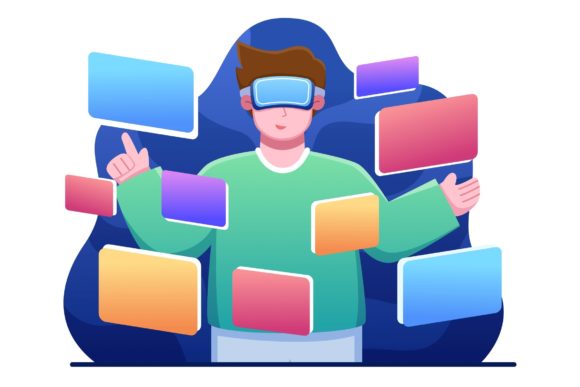
Virtual Reality technology creates a simulated environment that can be similar to or completely different from the real world. When users wear a VR headset, they are transported into a 3D, interactive space where they can move, explore, and interact with objects and other users. The experience is often enhanced with haptic feedback, spatial audio, and sometimes even scent, making it incredibly lifelike.
Challenges and Needs Addressed by VR
One of the primary challenges people face today is the need for more engaging and effective ways to learn, train, and entertain. Traditional methods, while still valuable, often fall short in providing the depth and interactivity that modern users demand. Here’s how VR can help:
- Enhanced Learning and Training: VR provides a safe and controlled environment for learning and practicing new skills. For example, medical students can perform virtual surgeries, and pilots can simulate flight conditions without any real-world risks.
- Mental Health and Therapy: VR is being used to treat various mental health conditions, such as PTSD, anxiety, and phobias. Immersive therapy sessions can help patients confront and overcome their fears in a controlled setting.
- Entertainment and Gaming: VR offers a new level of immersion in gaming and entertainment. Users can experience thrilling adventures, explore fantastical worlds, and engage in social activities with friends and family, all from the comfort of their own home.
Practical Applications and Outcomes
The applications of VR are vast and varied, and the outcomes can be transformative. Here are some practical examples:
- Educational Environments: Schools and universities are incorporating VR to create interactive and engaging lessons. Students can take virtual field trips, visit historical sites, and conduct complex experiments, all without leaving the classroom.
- Professional Training: Industries such as construction, manufacturing, and emergency services are using VR to train employees in a safe and realistic manner. This reduces the risk of accidents and enhances the overall quality of training.
- Healthcare: In addition to mental health, VR is being used in physical therapy and pain management. Patients can engage in therapeutic exercises and distract themselves from pain through immersive experiences.
How Different Users May Approach VR Differently
Different users may approach VR technology based on their specific needs and goals. For instance:
- Educators: Teachers and educators can design VR experiences that complement their curriculum, making learning more interactive and memorable. They can also use VR to provide students with access to resources and environments that would otherwise be out of reach.
- Professionals: Professionals in various fields can use VR for simulation and training, allowing them to practice and perfect their skills in a controlled and safe environment. This can lead to better performance and reduced errors in the real world.
- Consumers: For everyday users, VR can be a source of entertainment and relaxation. Whether it’s playing games, watching movies, or participating in social activities, VR offers a unique and engaging way to enjoy leisure time.
Usefulness and Implementation
Implementing VR technology can be a straightforward process, but it’s important to consider a few key factors:
- Hardware and Software: Choose the right VR headset and software that aligns with your needs. Popular options include Oculus, HTC Vive, and PlayStation VR. Ensure that your system meets the technical requirements for a smooth and enjoyable experience.
- Content and Applications: Select high-quality content and applications that are designed for your specific use case. There are numerous VR apps available for education, training, and entertainment, so do your research to find the best fit.
- User Comfort and Safety: Pay attention to user comfort and safety. Ensure that the VR setup is ergonomically designed and that users take regular breaks to avoid eye strain and disorientation. Follow all safety guidelines provided by the manufacturer.
By understanding and leveraging the power of virtual reality technology, you can unlock new possibilities and enhance your personal and professional life. Whether you’re an educator, a professional, or a consumer, VR offers a versatile and exciting way to engage with the digital world.
For more information and resources, including design templates in formats like AFDESIGN, JPG, SVG, PDF, and EPS, visit our resource page.